How Will Franchise AI Change HQ Work? 5 FDAM AI Features
How franchise AI is used across five areas of headquarters work.

Franchise AI doesn't make decisions for you; it narrows what you need to check
CORE SUMMARY
✔ Franchise AI isn't a tool that makes the final call for you; it's a decision-support tool that narrows down what to check.
✔ Sales anomaly detection points out which of many stores need checking first.
✔ Order and off-catalog purchasing data analysis is used to pick out items that need further inspection.
✔ For CS and review responses, AI writes the draft, and the store owner makes the final call on the actual response.
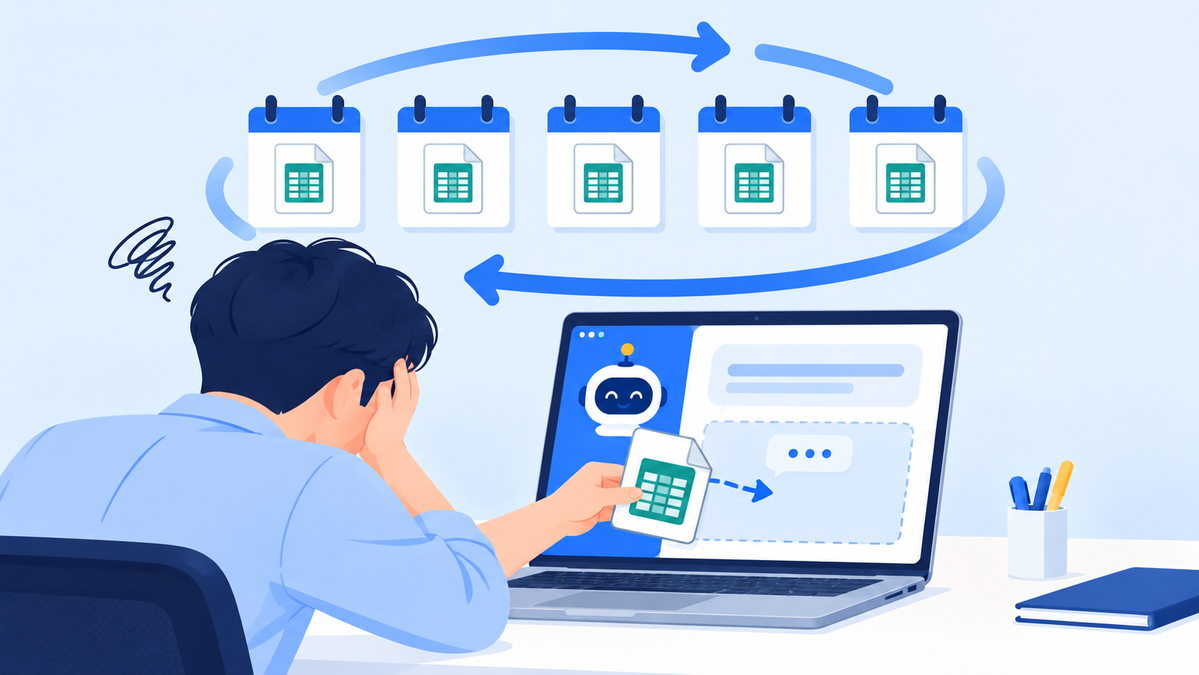
Franchise AI refers to features that analyze the business data headquarters handles, such as sales, orders, inspections and customer responses, to support staff decisions. Because of the word "AI," it's easy to mistake it for a tool that handles everything automatically. In practice, though, AI applied to franchisor headquarters work is closer to narrowing down what to check first among huge amounts of data, or drafting documents that have to be written over and over.
This article breaks down where and how franchise AI can be used in headquarters work across five areas: sales management, order and off-catalog purchasing management, reporting, customer responses and data lookups. We'll look at how AI assists staff in each of these practical areas.
It detects sales anomalies and suggests which stores to check first
As the store count grows, it becomes unrealistic for headquarters to personally check every store's sales trends every day. Staff usually look into a particular store's sales data only after a problem has surfaced, and by then the response is often already late. AI features for sales anomalies point out stores showing unusual sales patterns first, so staff don't have to go through stores one by one.
What matters here is that the feature doesn't conclude that a store has a problem; it suggests a priority order for stores that need checking. If a store's sales drop sharply or come in unusually low only on certain days of the week, staff can check that store first and spend their time identifying the real cause. Throughout, the final call still belongs to staff, and AI's role stops at lining up what to check for that decision.

AI doesn't single out problem stores; it narrows down what to check first
It analyzes order and off-catalog purchasing data to flag items for further inspection
A franchise store's order and off-catalog purchasing data holds as much information as its sales data. If a store repeatedly orders far more than usual, or conversely less than it needs, that may point to inventory management or operational problems. But order data piles up in volume with every store, so it's hard for staff to compare it all by hand and spot unusual patterns.
AI features that analyze order and off-catalog purchasing data compare ordering patterns by store and flag items showing unusual trends for further inspection. For example, if a store's orders for a particular item suddenly jump, it could be preparation for a promotion, or it could be an inventory management issue. AI simply filters out these items in advance and shows them to staff; what's actually causing them has to be confirmed by staff through conversations with the store.
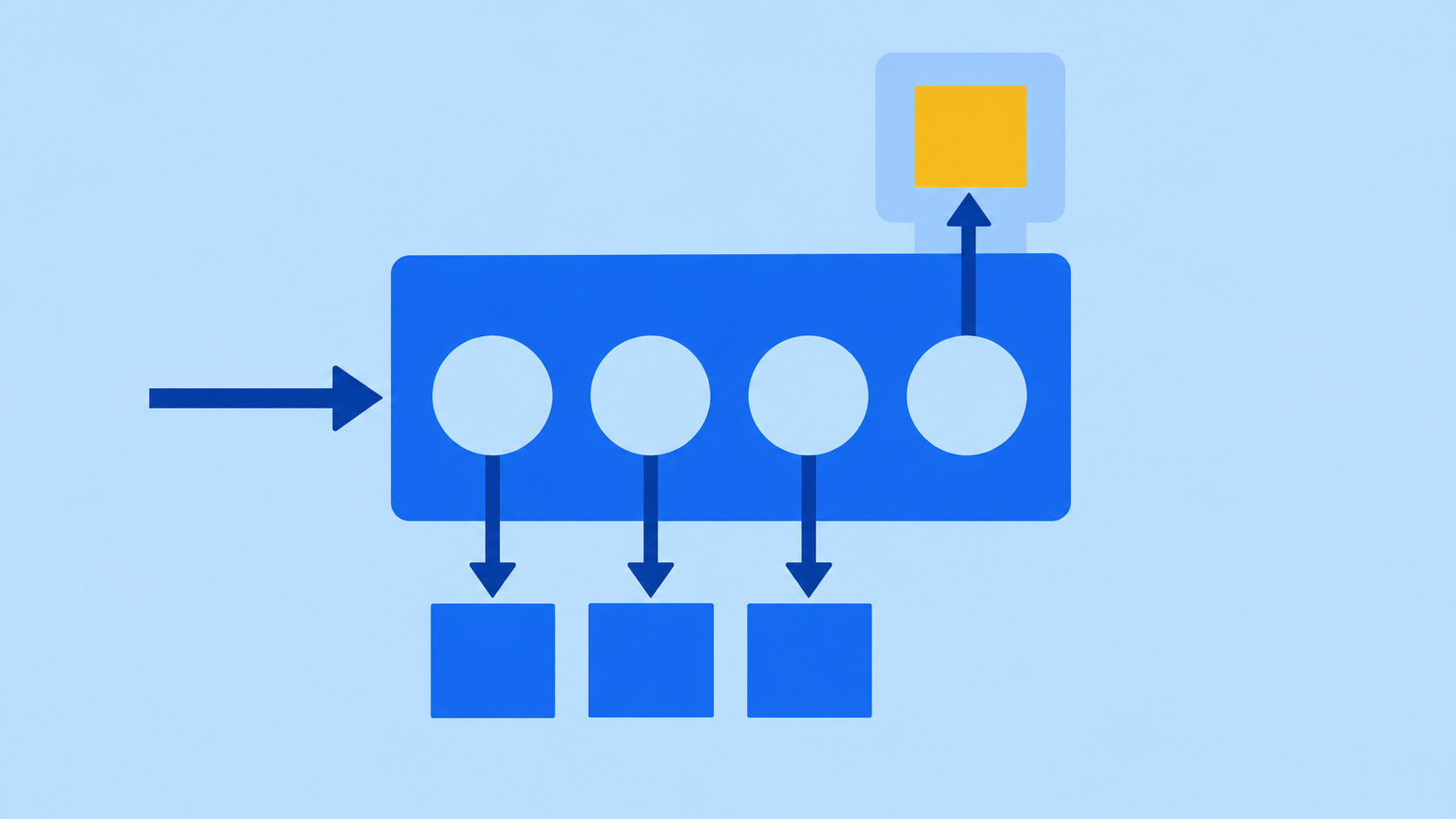
Order pattern analysis is used to pick out items that need further inspection
AI assistant reports organize the order of checks
HQ staff have to check the status of multiple stores, order status, incoming CS cases and more, every single day. When this information is scattered across different screens or menus, staff spend time just deciding what to check first. The AI assistant report feature pulls this information together and delivers the items to prioritize that day in an organized format.
This feature cuts down the daily routine of jumping between menus and compiling information by hand. But this report, too, is only a tool for organizing the order of checks; staff decide whether to take action based on the information in it. It's most accurate to think of AI assistant reports as a support tool that helps headquarters quickly grasp the priorities among the tasks it has to handle each day.

It pulls information scattered across screens into one place and organizes the order of checks
It drafts responses to repetitive CS inquiries and reviews
Franchise stores carry the burden of responding to customer reviews and CS inquiries every day. Especially when similar inquiries or reviews keep coming in, writing every response from scratch takes considerable time. AI features draft responses in advance for these repetitive situations.
What needs to be clear about this feature, however, is that what AI writes is only ever a draft. The store owner is the one who actually responds to reviews and CS inquiries, and rather than posting an AI draft as is, it's best to review and edit it to fit the store's situation and context. AI drafts are an aid that cuts the time responses take, not a feature that responds on your behalf.

AI writes the draft; the store owner handles the final response
It retrieves the operating data you need through natural-language questions
HQ systems hold all kinds of data, including consultations, contracts, openings, sales and inspections, but pulling it up in the form you want often means clicking through several menu levels or requesting a separate report. Natural-language queries simplify this: staff ask for the information they need in a sentence, and the system finds and displays the relevant data.
For example, if staff can instantly look up frequently needed information, such as a list of stores whose sales declined over a certain period or the status of upcoming store openings in a certain region, by asking a question instead of hunting through menus each time, their efficiency goes up. FDAM, an AI ERP built for franchisor headquarters, officially offers this natural-language query feature, designed to help headquarters put the data it has built up to work more easily in practice.
Taking these five areas together, franchise AI is best understood not as a tool that does headquarters' work for it, but as a decision-support capability that narrows what needs checking and lightens the load of repetitive work. FDAM provides these AI features based on data accumulated through sales management, opening management and operations management, and they're built to be used across headquarters work, from sales anomaly detection and order data analysis to AI assistant reports, CS and review response drafts and natural-language data queries. As a software developer specializing in franchises, MS Benter builds AI features into FDAM on top of the headquarters data structures it has refined over many years.
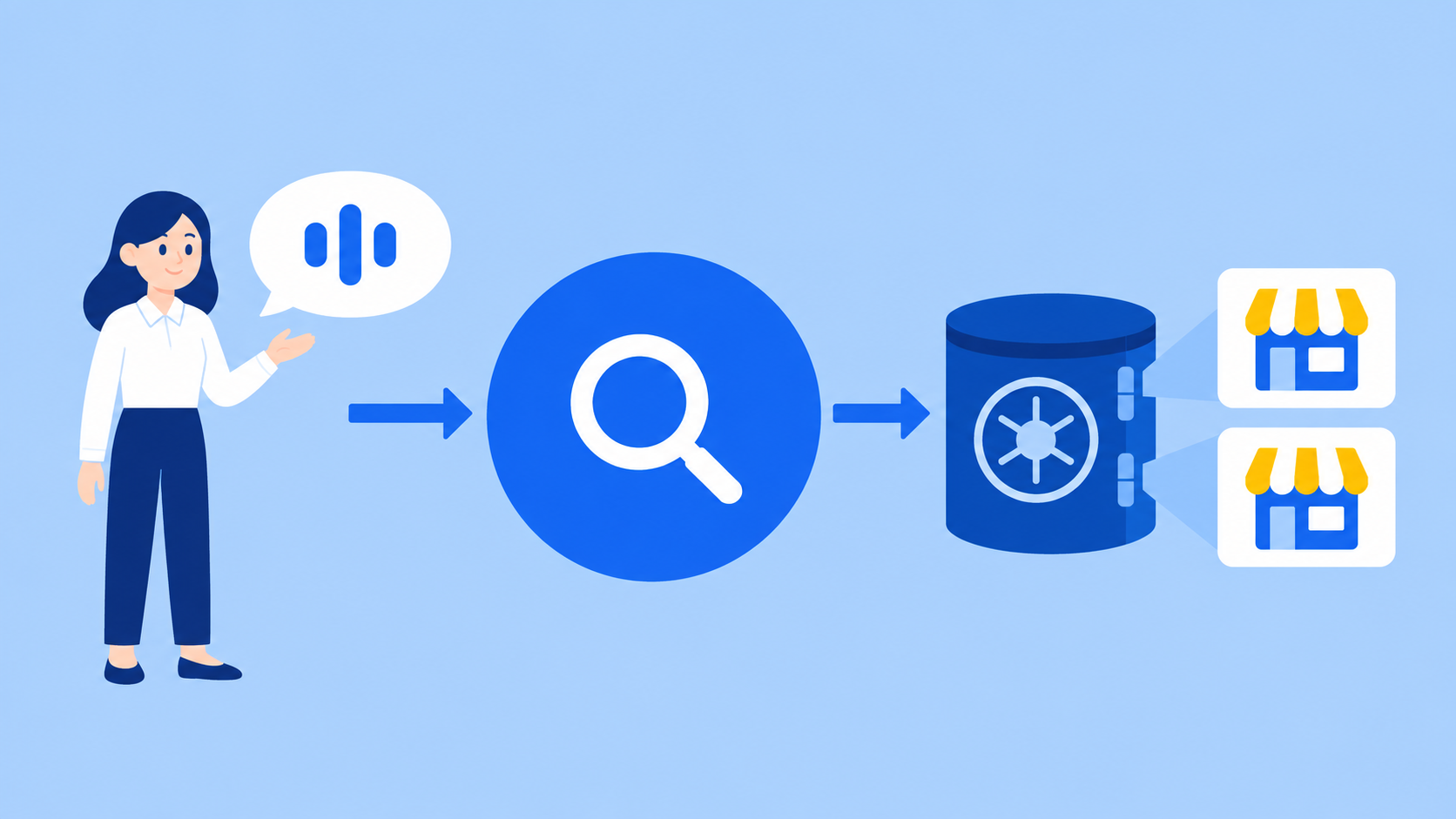
Ask a question in a sentence and see the operating data you need right away
Frequently asked questions
Does franchise AI automatically judge store problems?
No. AI only suggests stores showing unusual patterns in sales or order data as priority checks; identifying the actual cause and making the final call goes through staff checking directly.
Can we post AI-written review responses as is?
What AI writes is a draft response. The store owner is the one who actually responds, and it's best to review and edit the draft to fit the store's situation and context before posting.
When is the natural-language query feature useful?
It's useful when you want to look up frequently needed information right away by asking a question, without clicking through several menu levels, such as stores whose sales declined over a certain period or upcoming store openings in a certain region.
Find out where AI can start helping in your HQ work
FDAM connects five AI features to headquarters business data to narrow what needs checking and reduce repetitive work.
Talk to sales about FDAM AILearn more about FDAM Chat on our KakaoTalk channel
Franchise AI, franchise AI ERP, sales anomaly detection, order and off-catalog purchasing analysis, AI assistant reports, CS and review response drafts, natural-language data queries, FDAM, franchise ERP, HQ work automation, franchise store management AI, franchise software