FDAM Franchise ERP: Turning HQ Operations into a System
How FDAM, a franchise ERP, is designed around headquarters workflows and how it shifts operations onto a system.
Franchise ERP, FDAM, franchise system, HQ operations system, franchise e-contracts, pre-disclosure documents, franchise store management software, sales management, opening management, unified POS sales
Key takeaways · A franchise ERP is a system built for headquarters that ties sales, contracts, openings and operations into one standardized flow. · The difficulty of running headquarters stems less from workload than from a fragmented management structure. · FDAM connects sales, e-contracts, openings, operations and unified sales in one system. · Adopting an ERP isn't swapping tools; it's the process of setting your headquarters' operating standards. |
A franchise ERP is an operating system built for headquarters that ties sales, contract, opening and operations work into one flow and standardizes it. As the store count grows, the limits of spreadsheets, email and staff notes become obvious, and as the franchise industry grows, headquarters' role expands beyond individual management tasks toward running the whole organization by the same standards. At the center of that shift is a franchise system built specifically for headquarters.
FDAM isn't a program that simply offers lots of features. It's an operations-centered franchise ERP designed around the actual workflow of franchisor headquarters. Developed by MS Benter, which has focused on franchise IT for nearly 25 years, it started by capturing the work structure headquarters faces every day directly in the system.
FDAM, the franchise ERP that turns HQ operations into a system.
1. The root reason running franchisor headquarters gets hard
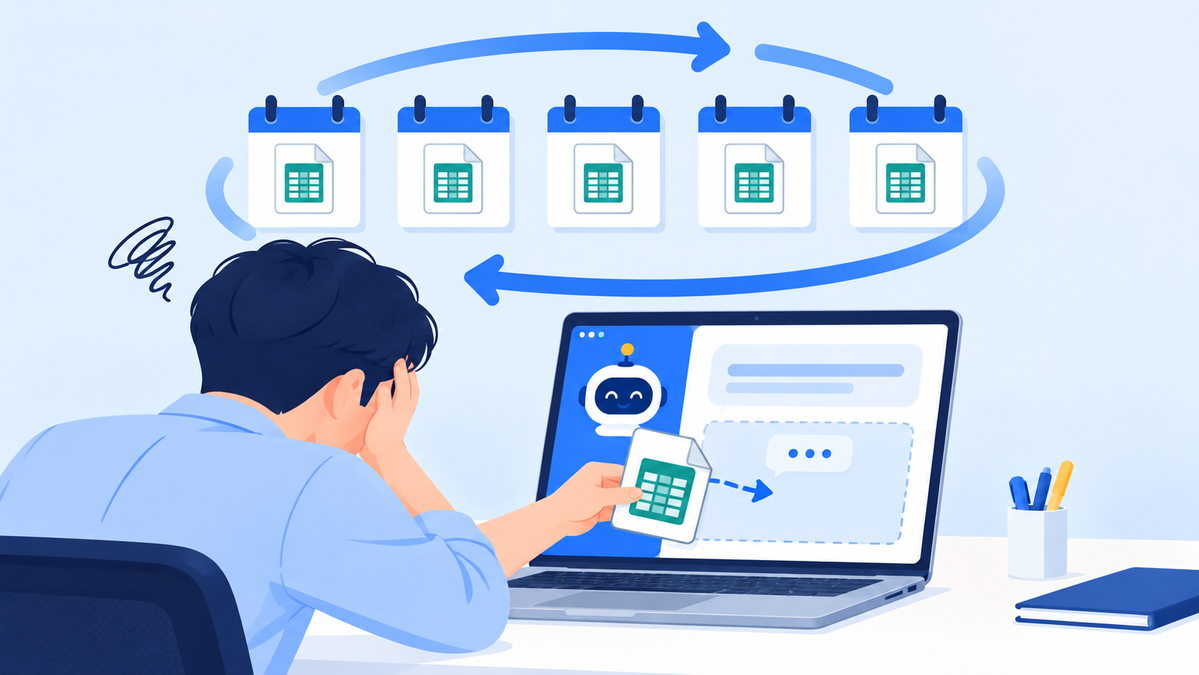
The problem many franchisor headquarters share lies less in the work itself than in the structure for managing that work. Sales often live in spreadsheets, contracts in email and paper documents, opening schedules in individual staff notes, and sales data scattered across POS systems and delivery platforms.
In this environment, headquarters' management burden grows quickly as the store count rises, and decisions get slower and slower. Each department reorganizes the same data, and gaps in information get filled in from people's memories, over and over. This is where the need for a franchise ERP becomes clear.
2. What makes FDAM different as a franchise ERP
FDAM is a different kind of product from franchise programs that cram many features onto one screen. It's designed so that all data connects along the actual workflow of franchisor headquarters: sales → contract → opening → operations.
Sales management: one flow from prospective founder to contract
FDAM's sales management systematically records prospective founders' inquiry history, consultation stages and contract conversion. This lets headquarters understand its sales flow and conversion structure through data rather than gut feeling, and consultation information that used to be scattered across staff builds up in one system, so context isn't lost during handoffs.
Franchise e-contracts: a structure that keeps contracts on record
FDAM, a franchise ERP, manages the contract process inside the system through franchise e-contracts. Creating and sending pre-disclosure documents, recording when they were viewed and checking contract status are all structured.
This isn't so much a feature for processing contracts quickly as a foundation for reducing operating risk after signing. It can also serve as evidence for calculating the 14-day cooling-off period set by Korea's Franchise Business Act and for responding to disputes later, creating a structure in which headquarters' legal risk is handled from the sales stage onward.
Opening management: a franchise system where opening schedules are shared
Opening management is the area of franchisor headquarters work that requires the most collaboration. FDAM lets you manage construction, training, required documents and schedule progress on one screen, centered on stores scheduled to open. Even when staff change, opening history and progress stay in the system, and all of headquarters can share the situation by the same standards.
Operations management and unified sales: data in a decision-ready state
What matters in a franchise ERP isn't showing lots of data, but organizing it in a form headquarters can make decisions with. FDAM unifies POS sales, delivery sales and inspection data by store and by period to help you grasp operating status quickly.
POS sales are aggregated on a next-day basis, and sales trends by store and by channel build up in an organized form. Drawing on experience working with about 500 brands, the system reflects which data, collected in which form, is most useful from headquarters' perspective. And with the AI assistant, the first to be combined with a franchise ERP in Korea, you can ask questions in plain language and instantly check sales trends and operating status.
3. The kinds of headquarters FDAM fits best
FDAM is especially well suited to franchisor headquarters in the following situations. If you're feeling the limits of spreadsheet- and messenger-based management as your store count grows, if you want to systematically accumulate contract, opening and operations history to set standards for handoffs and dispute response, or if you want to gather scattered operating data in one place and base your decisions on data, FDAM's design direction will fit naturally.
As for what store count should prompt you to consider adoption, whether headquarters' operations depend on people's memories is a more important criterion than revenue or store count. If the same task is handled differently by different staff, you're already at the point where you should be considering a system.
4. A franchise ERP is an operating strategy, not a tool
Adopting a franchise ERP is less about changing programs and closer to part of an operating strategy that determines by what standards headquarters will manage its stores and on what structure it will grow. The moment you adopt the tool, headquarters' way of working falls into line with it.
FDAM, a franchise ERP, can be a realistic choice for headquarters that want to shift operations that relied on people's experience to a system-centered structure. When the flow from sales to operations is captured naturally in a system, headquarters finally has a foundation for adding stores while maintaining the same quality of operations.
Frequently asked questions
Q. How is a franchise ERP different from a general ERP?
General ERPs focus on company-wide functions such as accounting, HR and inventory. The key difference is that a franchise ERP is designed around work only franchisor headquarters needs, such as Franchise Business Act compliance, franchisee recruitment and opening preparation, HQ-to-store communication and QSCV inspections.
Q. At what store count should we consider adoption?
Whether headquarters' operations depend on people's memories is a more important criterion than store count. If the same task is handled differently by each staff member, or information gets lost at every handoff, it's time to consider adoption regardless of how many stores you have.
Q. Are franchise e-contract records legally recognized?
The Franchise Business Act permits pre-disclosure documents to be provided in writing or as electronic documents, and when the system keeps a record of when they were viewed, that record can serve as evidence for calculating the 14-day cooling-off period and for responding to disputes.
Q. How does it connect with the POS and delivery apps we already use?
FDAM unifies POS sales and delivery sales data by store and by period so headquarters can see operating status on one screen. POS sales are aggregated on a next-day basis.
Q. How does the sales consultation work?
You can contact FDAM through the consultation page (fdam.co.kr/register), our KakaoTalk channel or our main number (1544-7120). Rather than walking through features, we review how FDAM could apply based on your headquarters' actual operating structure.
Shifting HQ operations onto a system
An operations-centered ERP
for franchisor headquarters: FDAM